Journal
Notes from
the workshop.
Care guides, design conversations and short stories about the stones we shape.
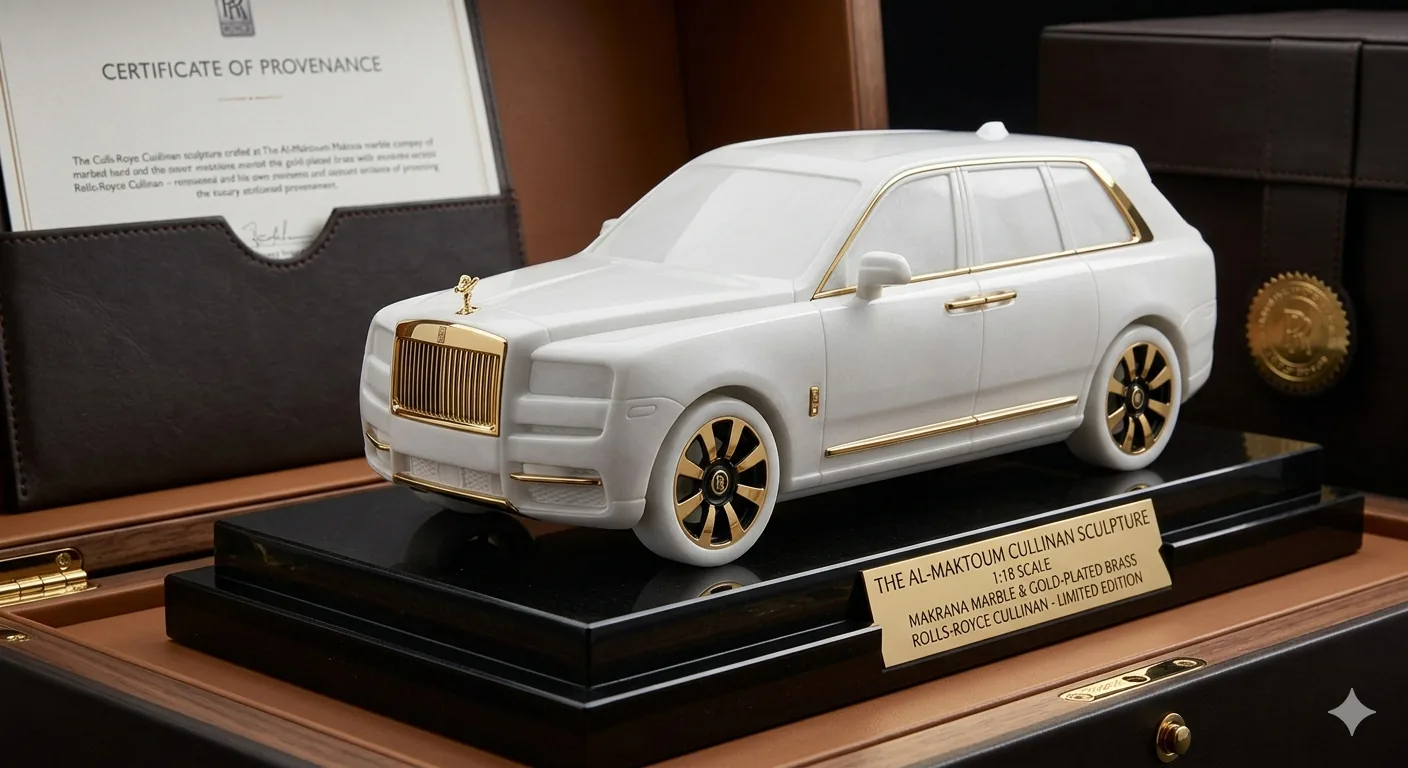 Material Heritage
April 2025 · 6 min read
Why Makrana Marble Has Never Been Replicated — And What That Means for the Objects You Choose to Keep
There is a question that serious collectors eventually ask: why does this marble stay white when everything else yellows? The answer lies 400 million years in the past.
Read the piece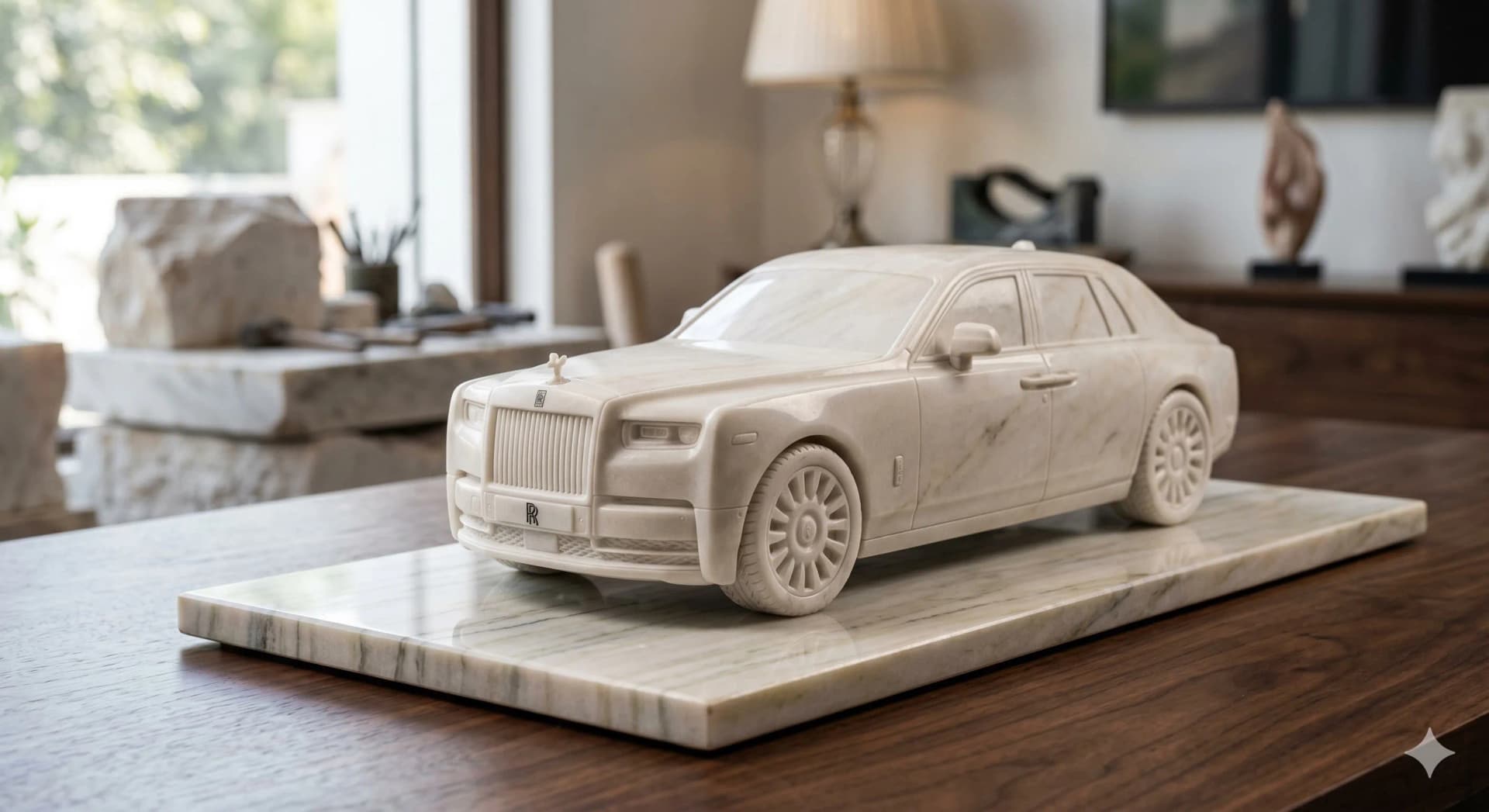 Culture
March 2025 · 5 min read
The Language of Gifting in the Gulf — What an Object Communicates That Words Cannot
In Gulf culture, a gift is not a transaction. It is a declaration. It says: I considered you. I knew your taste. I found the only thing worthy.
Read the piece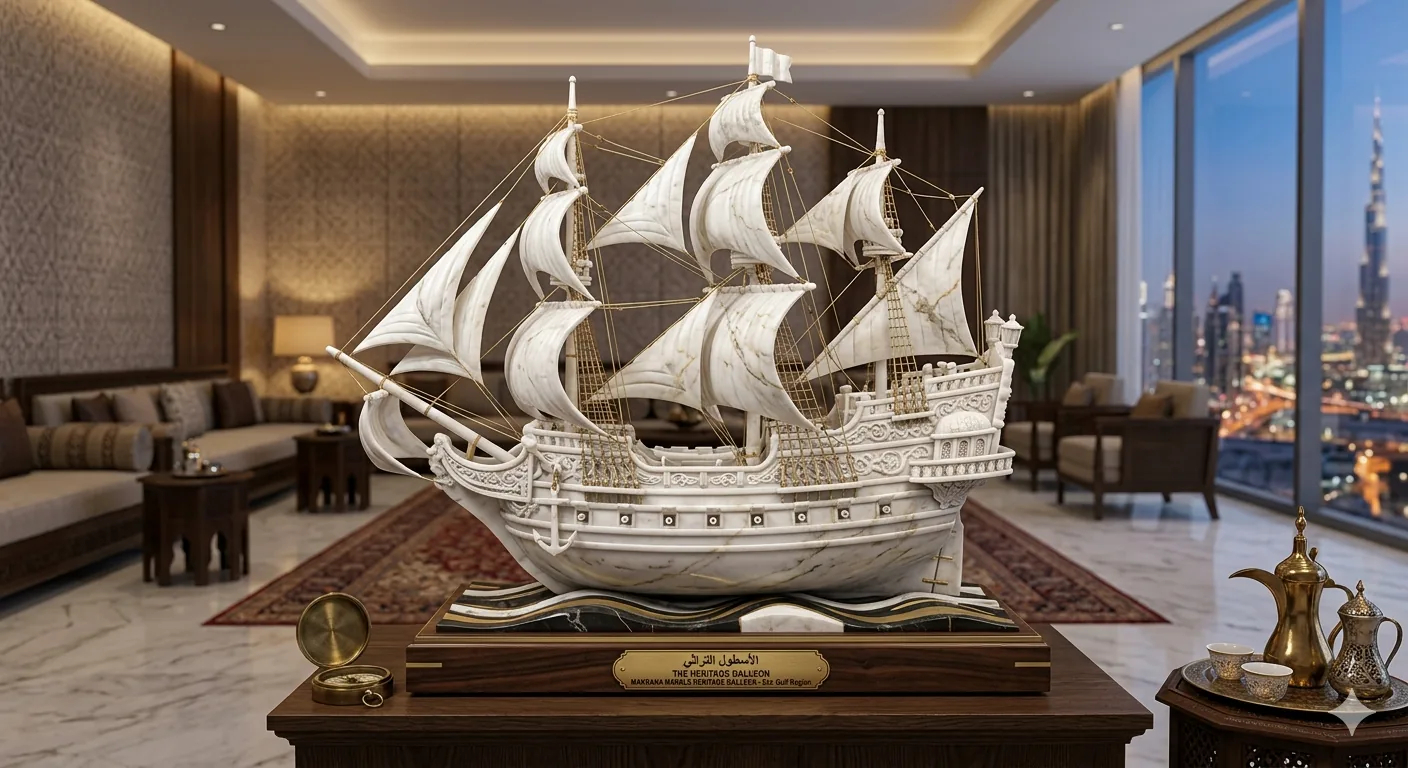 Craft
CraftFebruary 2025 · 6 min read
From Quarry to Atelier — A Day in Makrana with Our Master Carver
Ramji Lal has been carving marble since he was eleven. His father carved before him. His grandfather before that. We spent a day watching his hands.
Read the piece